

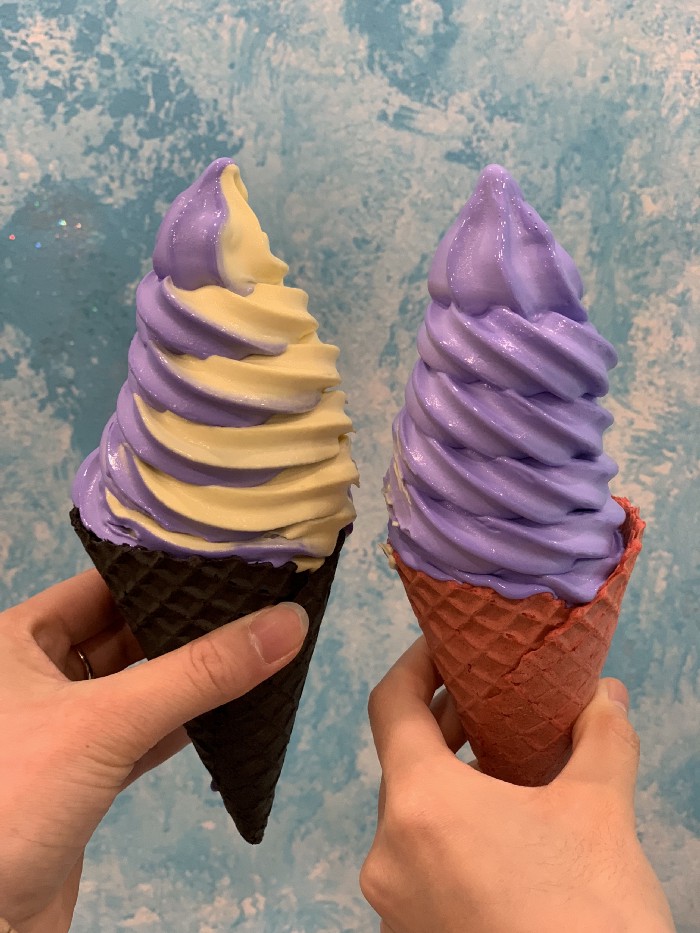
As an avid dessert lover, I was appalled to hear that sugar accelerates skin aging. A bit skeptical about the ever changing health and beauty claims, I decided to investigate the scientific evidence behind this claim. Unfortunately, these claims are backed up by various scientific research. Luckily, there are a few simple ways to reverse it. I am summarizing it here for everyone who also wants to maintain youthful skin while still being able to indulge in sweets.
Sugar is just one of the three main factors that contribute to skin aging. I will delve into the other two in future blog posts. Glucose, fructose, and lactose are three sugar types that contribute to skin aging.
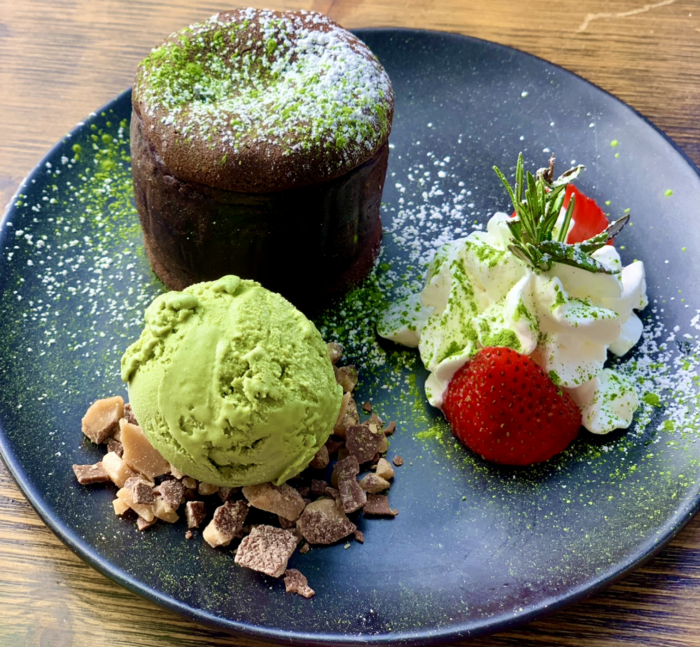
Fructose and Glucose Skin Aging and Prevention
Cane sugar, or sucrose, is 50% fructose and 50% glucose. Fructose is the sugar found in fruit. When the fruit is eaten raw, however, there are no harmful effects because the amount of fructose is proportional to the amount of fiber, which slows down its digestion. The real culprit is table sugar and high fructose corn syrup, which unlike the name suggests, has a very similar fructose:glucose ratio as regular sugar. Glucose and fructose covalently crosslink collagen fibers so they are not easily repaired. A youthful appearance is dependent on repairable collagen fibers. They also link the collagen and elastin, producing the same advanced glycation end products (AGEs) as diabetes and advanced age. Collagen is particularly susceptible due to its long half life of 15 years.
To slow the process of producing AGEs, you can include some of the following herbs and foods in your diet based on animal models and human cell data (although some cosmetics companies may claim otherwise, data is lacking on the relative effectiveness of topical administration): green tea, cinnamon, cloves, oregano, ginger, and garlic. For all the fish and meat lovers out there, L-carnitine, an antioxidant abundant in meat, poultry, fish and dairy, is an antioxidant that decreases levels of AGE in skin of humans after 6 months of supplements.
Aging by Lactose and Reversal Methods
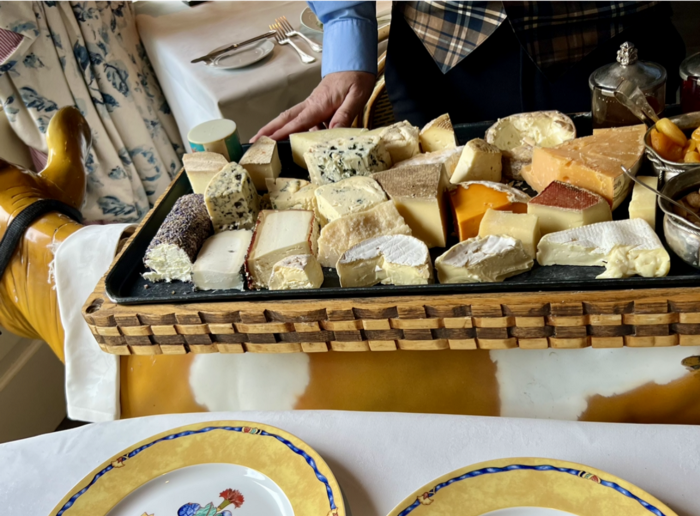
D-galactose is found in sweeteners, and naturally found in dairy. Historically, galactose was used to age animals in experiments that tested anti-aging compounds. Effects on the skin include thinning of the skin, decreased collagen, and decreased moisture. This is due to induced aging of the cells responsible for collagen production via oxidative stress.
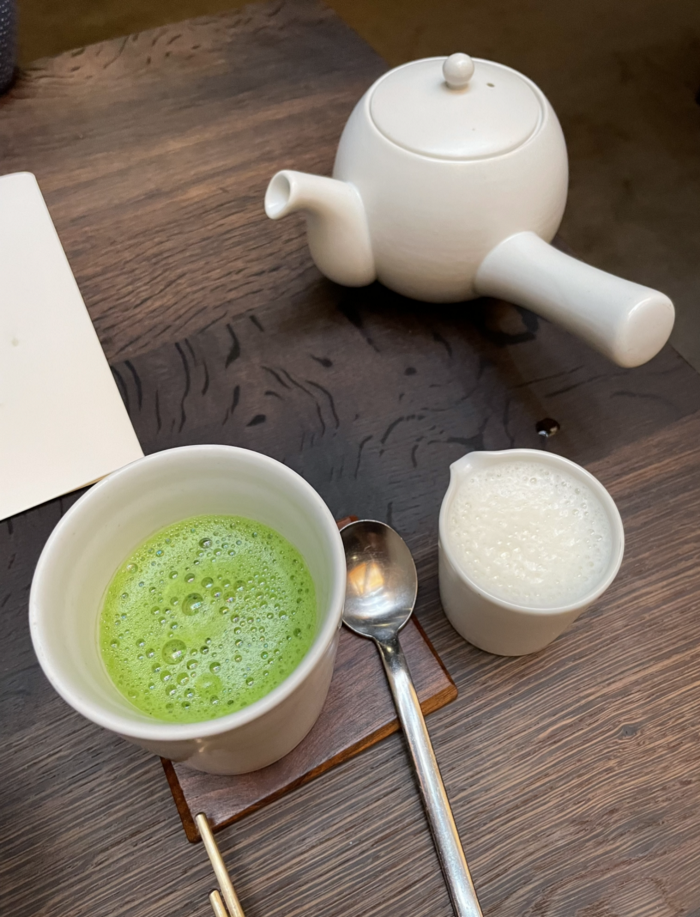
Epigallocatechin gallate (EGCG), predominantly found in green tea and one of the more well studied polyphenols, is not only anti-inflammatory and an antioxidant, but completely reverses D-galactose induced damaged and even makes the skin better than skin of animals not exposed to D-galactose. Inula Britannica flower flavonoids, part of the daisy family, also decreases the D-galactose induced aging in mice. Similarly, topical 2% artichoke extract also restores collagen in D-galactose aged mice.
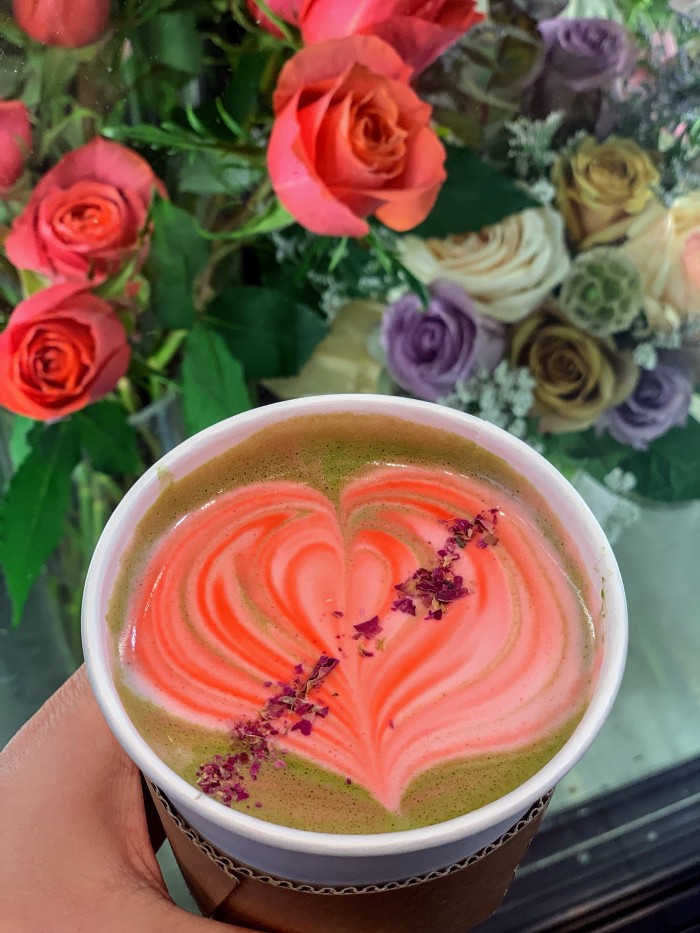
In summary, it’s beneficial to cut down on simple glucose and fructose consumption (aka table sugar), and it is fine to eat dairy in moderation: skin aging by fructose and glucose can be slowed but not reversed, whereas that by galactose can be reversed. Green tea combats skin damage by all three sugar types. Perhaps my daily splurge on almond milk matcha lattes are justified after all.
References
Nguyen, H P, and R Katta. “Sugar Sag: Glycation and the Role of Diet in Aging Skin.” Skin therapy letter vol. 20,6 (2015): 1–5.
Danby, F William. “Nutrition and aging skin: sugar and glycation.” Clinics in dermatology vol. 28,4 (2010): 409–11. doi:10.1016/j.clindermatol.2010.03.018
Umbayev, Bauyrzhan et al. “Galactose-Induced Skin Aging: The Role of Oxidative Stress.” Oxidative medicine and cellular longevity vol. 2020 7145656. 17 Jun. 2020, doi:10.1155/2020/7145656
 Skincare Confidential